Wageningen, The Netherlands
May 12, 2026
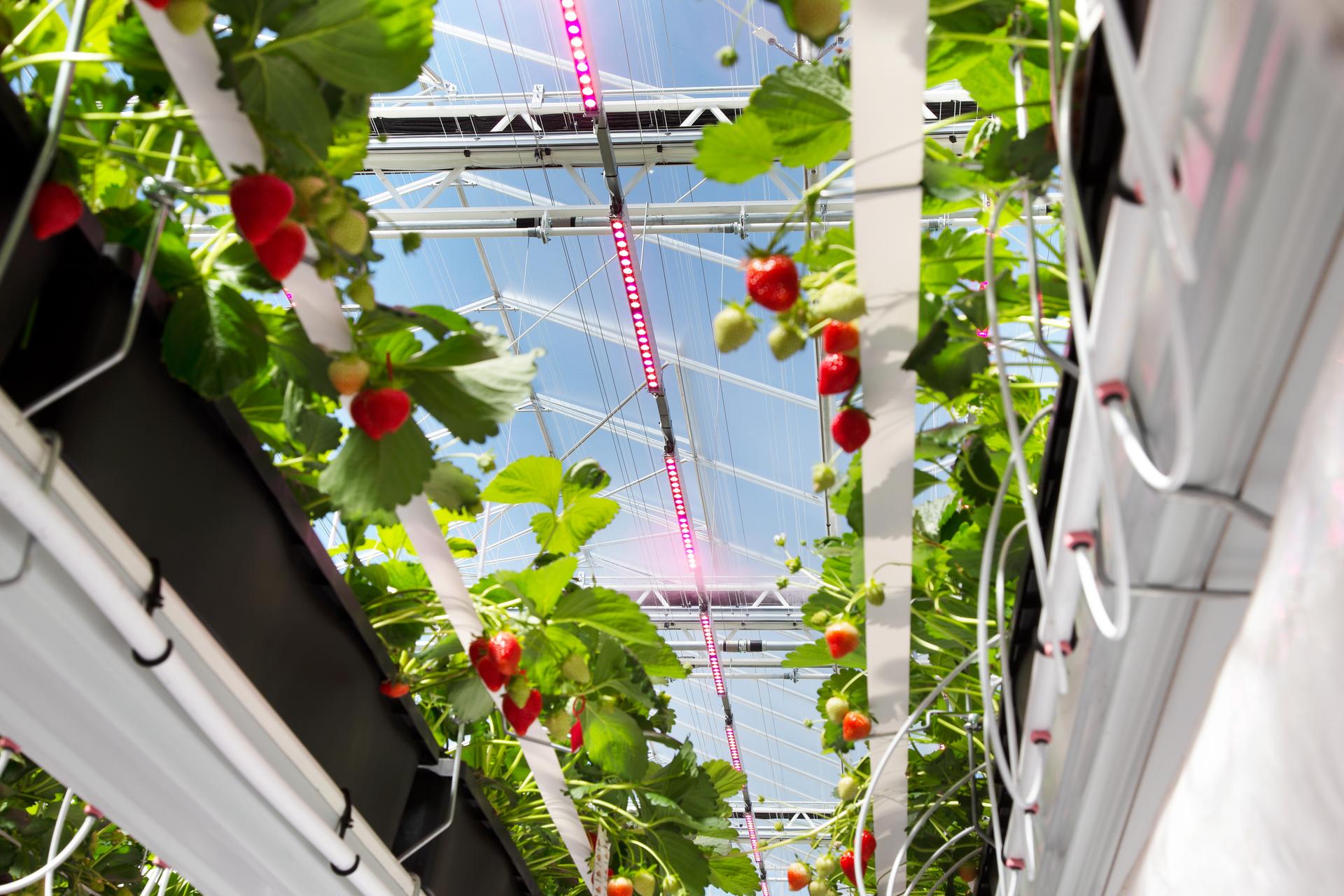
Wageningen University & Research (WUR) and The Ohio State University in the United States will work more closely together on research, education and knowledge exchange in greenhouse horticulture. The collaboration responds to growing international interest in cultivation under controlled conditions. As climate change, water scarcity, labour shortages and logistical challenges put pressure on food production worldwide, cultivation in greenhouses and other protected environments can support more local and resilient crop production.
WUR and The Ohio State University have signed a cooperation agreement for this purpose. The collaboration will focus on greenhouse technology, crop management and sustainable production systems. In addition, the partners will develop joint research initiatives, exchange researchers and lecturers, and organise joint workshops and symposia.
According to Dr Laura Bautista, Regional Lead North America for WUR Greenhouse Horticulture at Wageningen Plant Research, the collaboration fits with the rapid international development of greenhouse horticulture. “More and more regions are looking at protected cultivation or controlled environment agriculture as a way to organise crop production more locally and make it less vulnerable to heat, drought and extreme weather. For WUR, it is important to be part of that development: not only to share knowledge, but also to learn from solutions emerging in other regions.”
Knowledge exchange between different growing regions
Greenhouse horticulture in North America takes place under different conditions from those in the Netherlands. Climate, market, scale, logistics, crops and available technology vary by region. As a result, Dutch knowledge and technology cannot simply be applied everywhere in the same way.
Those differences are precisely what make the collaboration valuable. Through Ohio State University, WUR gains a better understanding of the questions greenhouse horticulture faces in North America, while Ohio State University can build on the Dutch knowledge position in greenhouse technology, crop steering and sustainable production systems.
“Greenhouse horticulture is growing worldwide, but conditions differ greatly from one region to another,” says Bautista. “By working with Ohio State University, we can better understand what knowledge and technology are needed in North America. Insights from that region can also be valuable for the Netherlands and Europe.”
Dr Chieri Kubota, Distinguished Professor at The Ohio State University and Director of the Ohio Controlled Environment Agriculture Center, also sees clear added value in the collaboration. “This collaboration brings together complementary expertise from two leading programmes in controlled cultivation. By combining our strengths in research, education and collaboration with the sector, new opportunities arise to contribute to solutions for global challenges in food production and sustainability.”
Relevance for greenhouse horticulture in Europe
According to Bautista, the collaboration is also relevant for greenhouse horticulture in Europe, including the Netherlands. “For example, many Dutch technology companies, suppliers and knowledge partners are already active internationally. By gaining a better understanding of the conditions and knowledge questions in North America, we can develop knowledge that is better aligned with different markets and growing regions. In doing so, we also help keep knowledge development relevant in an international context.”
The agreement is valid for an initial period of five years. It can then be renewed by mutual agreement. Specific projects and programmes will be developed at a later stage.




 Topics
 Species