United Kingdom
November 12, 2026
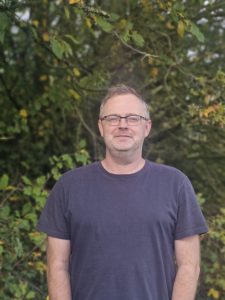
Daniel Jefferson
What happens behind the scenes to make sure seed royalties reach the right breeders? We catch up with BSPB auditor Daniel Jefferson, who has spent eight years working with seed processors and merchants across the country, to find out what his job involves and why it matters to the industry.
- What does your role involve?
We do around 250 audits across the country each year, visiting companies who process farm-saved seed for farmers and merchants who sell certified seed, to check that the declaration they have made matches the tonnage processed, and certified seed sold.
- What’s the most rewarding part of your job?
It’s always rewarding when we find discrepancies because it means we’re doing the job properly, but it’s equally rewarding when there are none, because it means everyone is getting it right, from the processor to us.
Because we visit the processors regularly, we build good relationships with the teams and learn about the struggles facing their businesses.
- What’s the biggest thing you’ve learned about farming since joining BSPB?
As a consumer you don’t see the struggle that goes into farming and developing new varieties – or the lost time and money if it all goes wrong. As an auditor, I get to go out to merchants, processors and breeders and learn about the challenges facing the sector.
- Why is your work important to the wider industry?
Making sure royalties are paid and funds go to the correct breeder is important for ensuring that money can be reinvested back into research and development. As much as nobody likes paying royalties, if nobody did, the breeders would be unable to invest in developing new varieties, so ultimately the industry would lose out.


 Topics
 Species